


Architecture That Belongs to Its Place
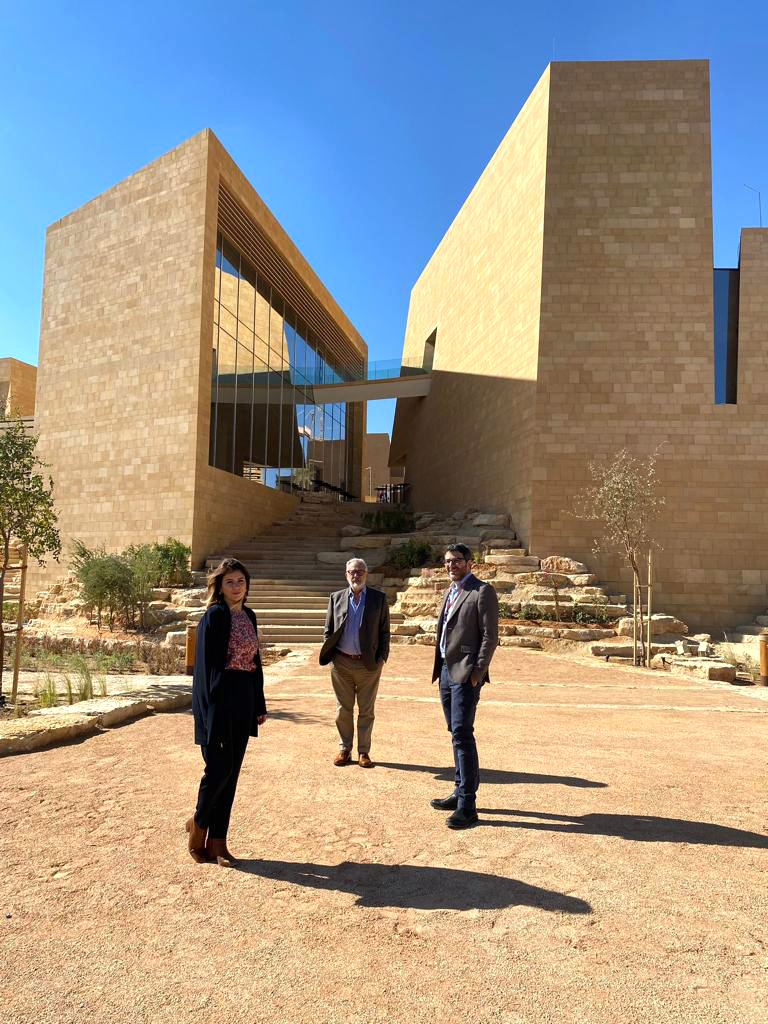
When Schiattarella Associati was commissioned to design Diriyah Art Futures (DAF) — the Gulf’s first contemporary hub dedicated to digital and new media art — the question they faced was not simply architectural: how do you build something genuinely new on a historically layered site, for a generation whose identities are mobile, digital, and plural? Their answer, published in Matahef Issue 03, grew from the topography of the wadi and the logic of the traditional city wall reinterpreted as a threshold rather than a boundary. In this follow-up conversation, the architects reflect on what a museum is for, how cultural institutions shape cities, and what it means to design for belonging in the Arab world today.
The Middle East Institute Arts and Culture Center
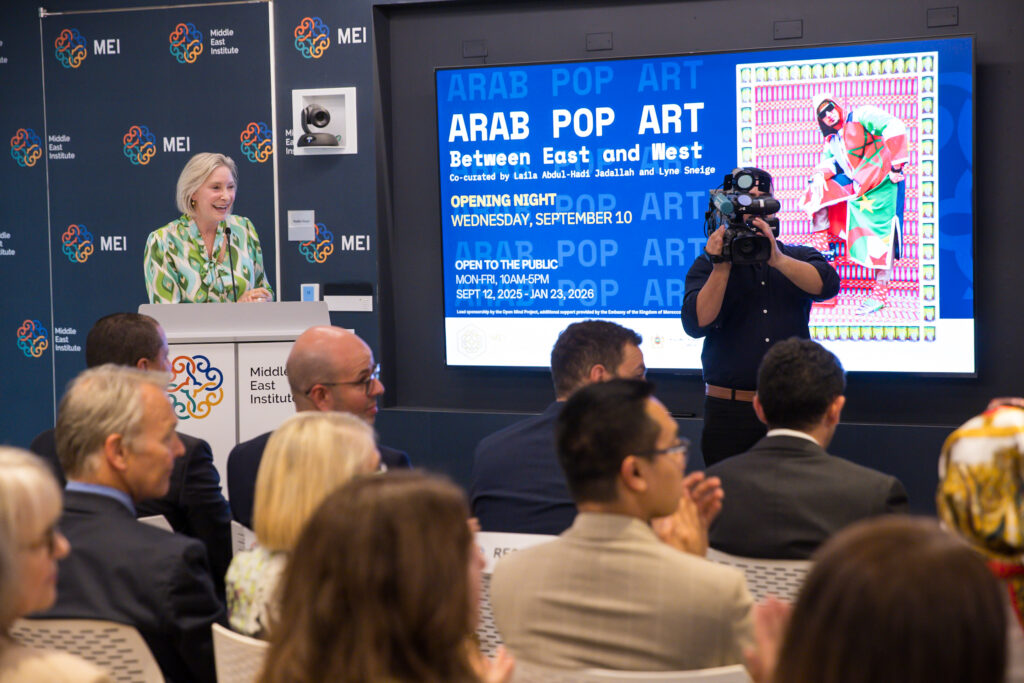
Located in the heart of Washington, D.C., the Middle East Institute (MEI) Arts and Culture Center is a dynamic space where the arts of the Middle East come to life. Part of MEI — an established, non-profit, non-partisan policy institute founded in 1946 and dedicated to promoting mutual understanding between the Middle East and the United States — the Arts and Culture Center brings a vital cultural dimension to the Institute’s broader mission.
What’s Next for Suad Amiry?
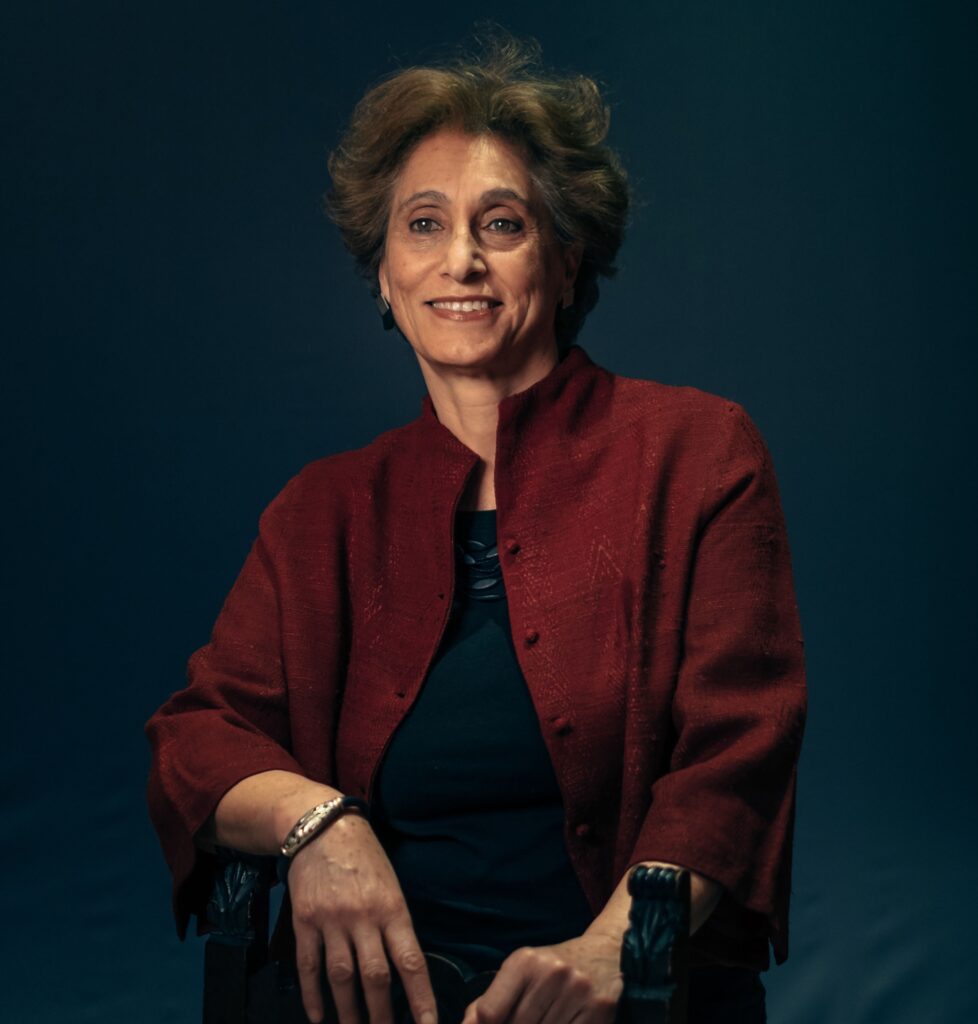
If you ask any practicing architect in the region, Suad Amiry is as close to a superhero as we can get. Among her powers is the ability to transform at least once every ten or so years. She has been an architect, author, diplomat, activist, and professor and has also dabbled with being a falafel seller throughout her career. Asking what’s next is not to get an answer, but to bask in the speculation of what’s possible when one assumes full intentionality in their relationship with their land, identity and culture. And to accept that such relationships are meant to be elusive, organic and comical, as life itself.
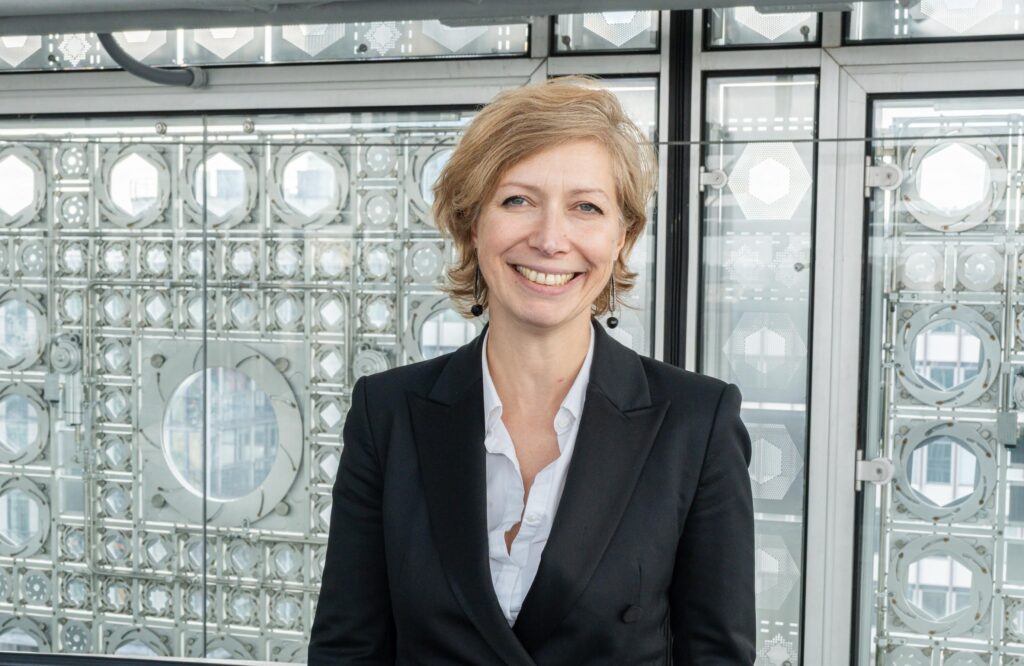
Anne-Claire Legendre, présidente de l’Institut du monde arabe آن كلير لوجاندر، رئيسة معهد العالم العربي